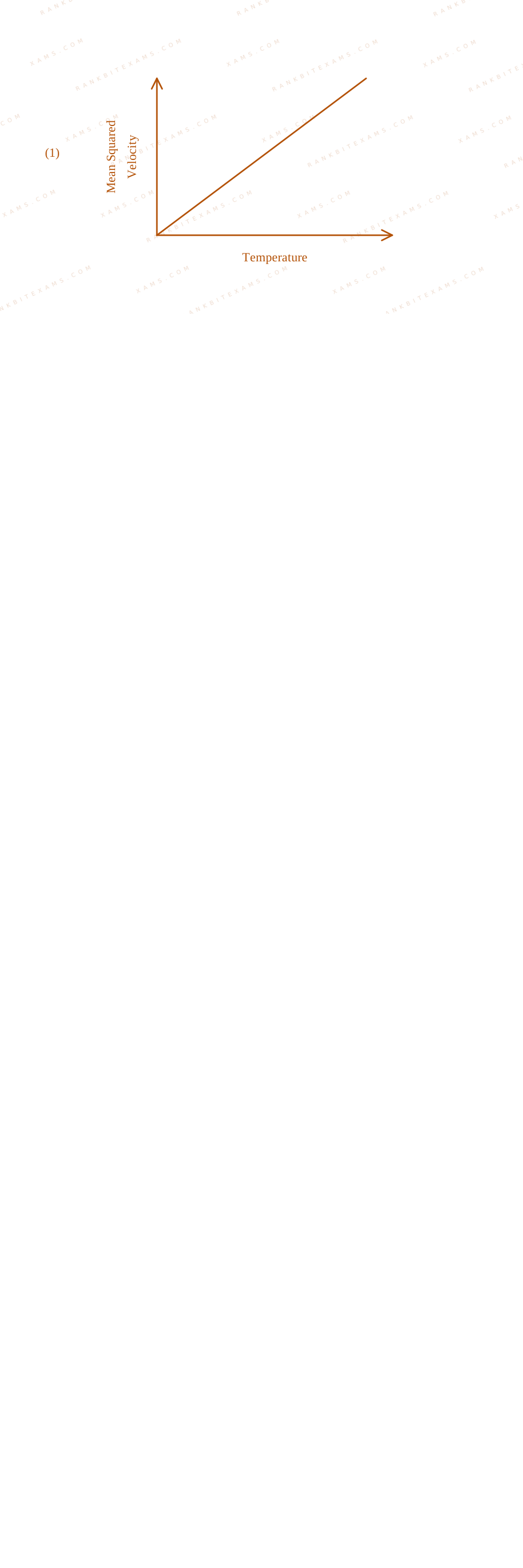
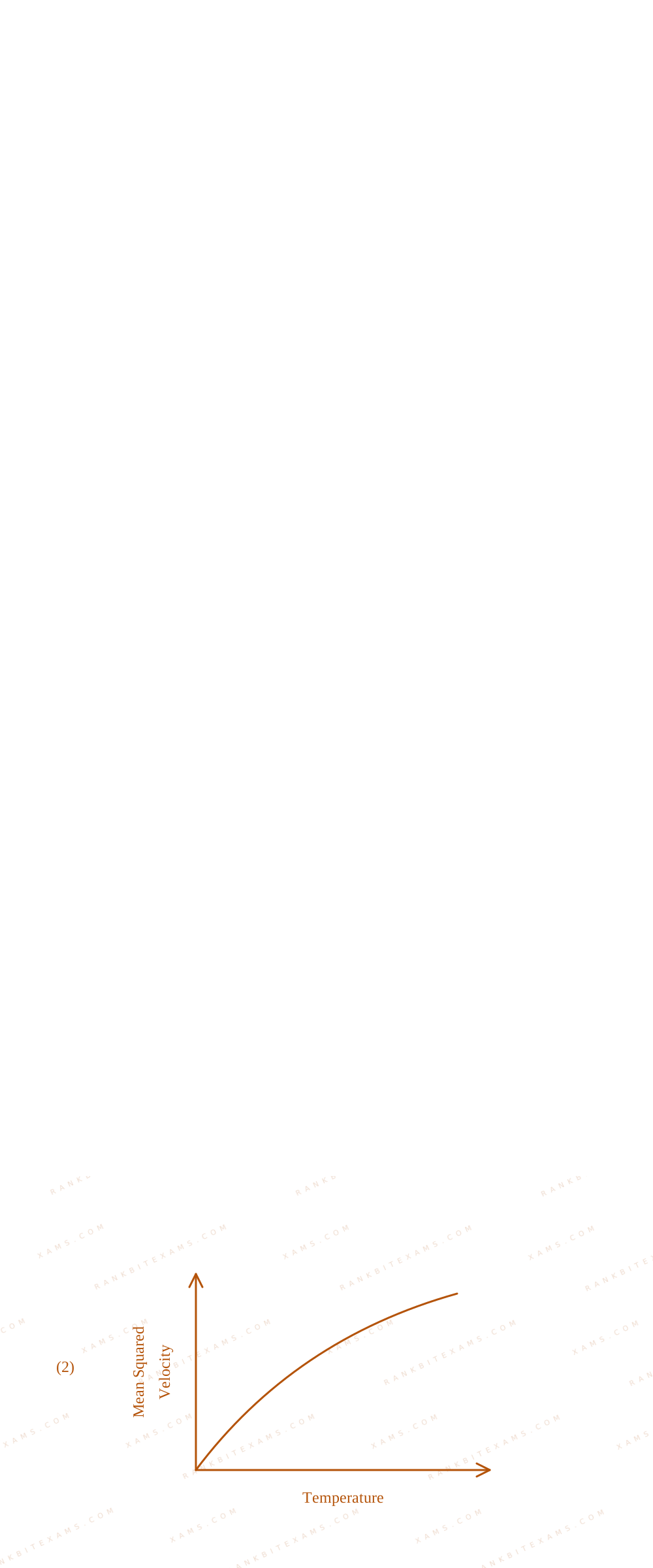

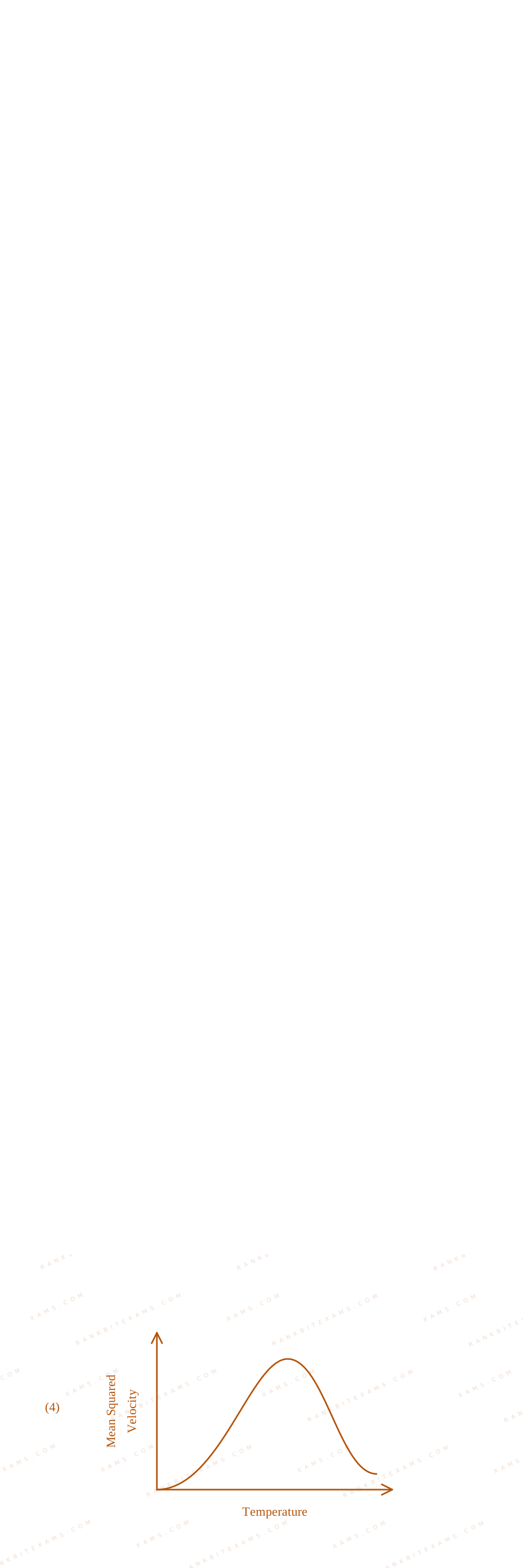
Q50
jee_main_2024_27_jan_morning
Kinetic Energy and Temperature
The average kinetic energy of a monatomic molecule is 0.414 eV at temperature:
Solution
Related Formula
Kavg = (3)/(2) kB TCore Logic
Given energy is in electron-volts (1 eV = 1.6 × 10⁻¹⁹ J), we isolate T:
T = 2 Kavg3 kBSubstitute constants (kB = 1.38 × 10⁻²³ J/K):
Step 1: Compute value
T = 2 × 0.414 × 1.6 × 10⁻¹⁹3 × 1.38 × 10⁻²³ T = 1.3248 × 10⁻¹⁹4.14 × 10⁻²³ = 0.32 × 10⁴ = 3200 KPattern Recognition
Converting eV energy properties straight to structural SI standard Joules reveals highly cleanly simplified scalar components when paired with Boltzmann values.
Chapter Mix
Class 11 Physics: Kinetic Theory of Gases
