Q70
jee_main_2024_01_february_morning
Nomenclature of Amines
Given below are two statements:
Statement (I) : Aminobenzene and aniline are same organic compounds.
Statement (II) : Aminobenzene and aniline are different organic compounds.
In the light of the above statements, choose the most appropriate answer from the options given below:
Solution
Core Logic
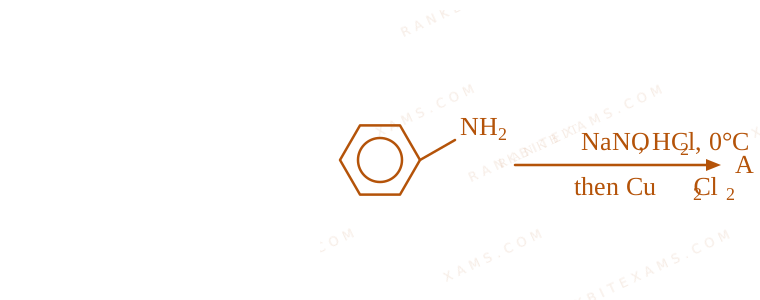
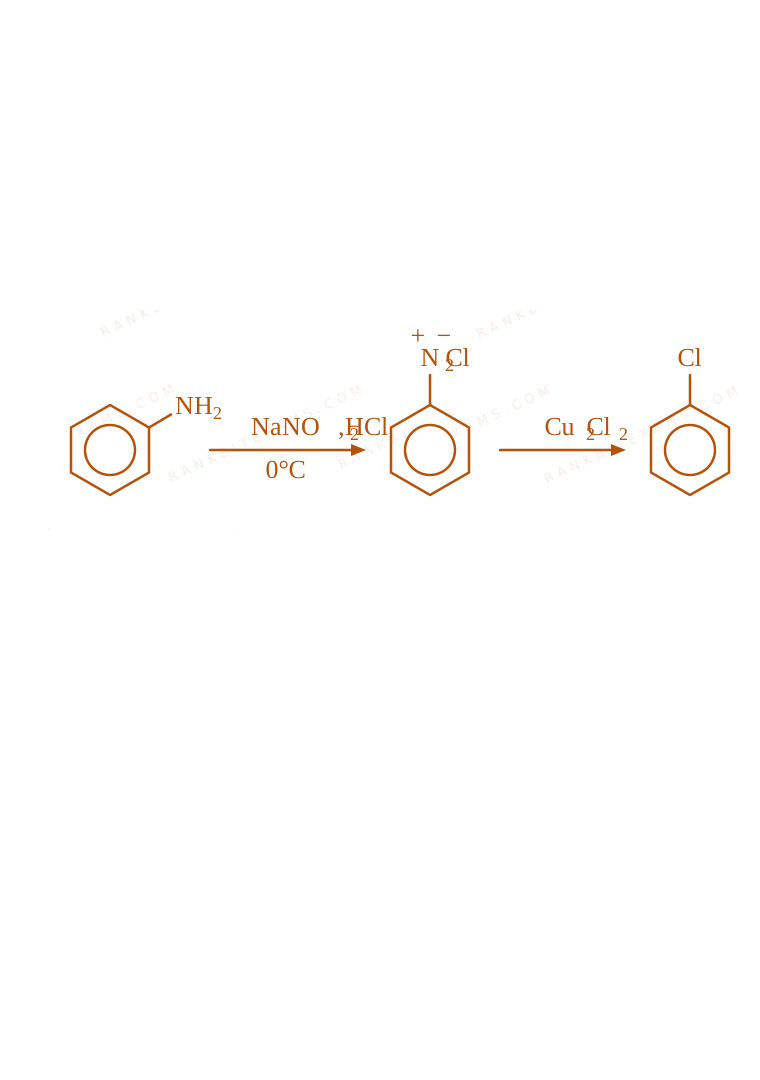
Aniline is the common name for the simplest aromatic amine, which consists of a phenyl group attached to an amino group (C₆H₅NH₂). According to IUPAC nomenclature, the amino group attached to a benzene ring can also be called aminobenzene.
Step 1: Statement Validation
Statement I: True. Aminobenzene is just the systematic IUPAC name for aniline. Statement II: False. They refer to the exact same molecule.
Pattern Recognition
Common names for simple aromatic compounds are often accepted as IUPAC names. Aniline = Benzenamine = Aminobenzene.
Chapter Mix
Class 12 Chemistry: Amines